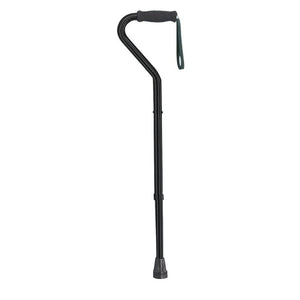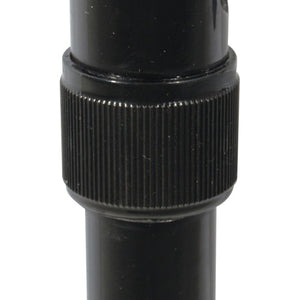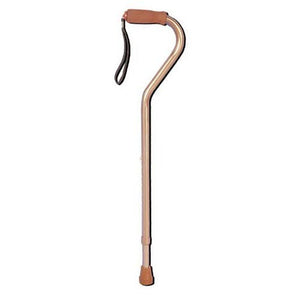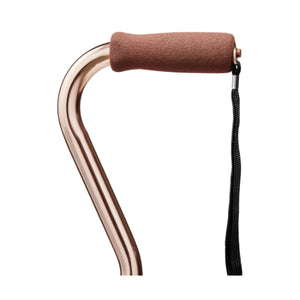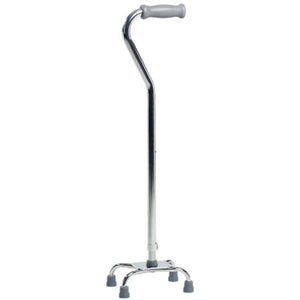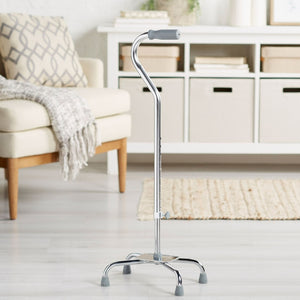

Bariatric H.D. Offset Cane Aluminum Adjustable 37 to 46 Inches can provide dependable walking support for people who need extra stability while standing or walking. Learning how to walk with a cane for balance correctly is important for maintaining a steady gait, reducing the risk of falls, and improving confidence during everyday activities. Whether you are dealing with mild balance problems, recovering from an injury, or adjusting to changes in mobility, proper cane placement, posture, and walking technique can make a significant difference.
If you are searching for how to use a cane for balance, which side to hold a cane, or how to walk with a cane correctly, this guide explains the essential techniques in simple steps. It also covers cane height, walking patterns, stairs, turns, footwear, and common mistakes to avoid.
Why Is Proper Cane Walking Technique Important?
A cane is designed to provide an additional point of contact with the ground and can help improve stability during walking. However, simply holding a cane does not guarantee safe support. Using the wrong hand, setting the cane at an incorrect height, or placing it too far away from your body may make walking less comfortable and less stable.
Proper cane walking technique helps coordinate the cane with your legs while allowing you to maintain a more natural posture. It can be especially useful for people who experience balance difficulties, weakness on one side, joint discomfort, or mobility limitations.
10 Tips for Walking With a Cane for Better Balance
Follow these practical cane walking tips to improve stability and confidence. If a healthcare professional has given you specific instructions, follow those recommendations over general guidance.
1. Choose the Right Type of Cane
The right cane should match your mobility needs and provide an appropriate level of support. Different cane designs are intended for different levels of balance assistance.
- Standard canes are suitable when you need light support.
- Quad canes have a wider base and can provide increased stability.
- Offset canes can provide comfortable hand positioning and support.
- Adjustable canes allow the height to be customized for the user.
Choose a cane that feels stable and comfortable rather than selecting one based only on appearance. If you are unsure which type is appropriate, ask a physical therapist or healthcare professional for guidance.
2. Adjust the Cane to the Correct Height
Correct cane height is one of the most important parts of safe cane use. A cane that is too short may cause you to bend forward, while one that is too tall may make your arm and shoulder work unnecessarily hard.
- Stand upright with your shoes on and arms relaxed at your sides.
- Position the cane beside the leg that needs less support.
- The cane handle should generally align around the crease of your wrist.
- Your elbow should remain slightly bent, usually around 15 to 20 degrees.
A properly adjusted cane should allow you to stand naturally without leaning heavily to one side.
3. Hold the Cane on the Opposite Side of the Weaker Leg
One of the most important rules for walking with a cane is using the cane on the side opposite the weaker or affected leg.
For example, if your left leg is weaker, the cane is generally held in your right hand. This positioning allows the cane and affected leg to work together while providing support from the opposite side.
- Weak or affected left leg → hold the cane in the right hand.
- Weak or affected right leg → hold the cane in the left hand.
- Move the cane together with the affected or weaker leg.
If you have been specifically instructed by a healthcare professional to use your cane differently, follow their instructions.
4. Move the Cane and Weaker Leg Together
Once you are comfortable with your cane position, practice coordinating your steps. Move the cane forward a short distance at the same time as your weaker or affected leg.
- Move the cane forward.
- Move the weaker or affected leg forward with it.
- Place the stronger leg forward afterward.
- Repeat the pattern slowly and consistently.
This walking pattern can create a wider base of support and make it easier to maintain balance while moving.
5. Take Controlled Steps and Maintain a Natural Pace
When learning how to walk with a cane, avoid taking overly long or rushed steps. Short, controlled movements are often easier to manage than large strides.
- Place the cane securely before shifting your weight.
- Take comfortable steps rather than rushing.
- Keep the cane close enough to provide useful support.
- Pause if you feel unstable or unsure of your next step.
With practice, the movement should become smoother and more natural.
6. Maintain an Upright Posture
Your posture affects how effectively you can use a cane. Try to keep your head up, shoulders relaxed, and eyes looking ahead rather than constantly looking down at your feet.
- Keep your back as upright as comfortable.
- Avoid leaning heavily on the cane.
- Relax your shoulders.
- Look ahead to identify obstacles.
- Keep your movements controlled.
Good posture can help you maintain better body alignment and make your walking pattern more efficient.
7. Practice the Correct Technique on Stairs
Stairs require additional care because the surface and height change with every step. Use a handrail whenever one is available and take your time.
Going upstairs:
- Step up with the stronger leg first.
- Then bring the cane and weaker leg up.
- Repeat one step at a time.
Going downstairs:
- Move the cane and weaker leg first.
- Then bring the stronger leg down.
- Continue slowly, one step at a time.
A commonly remembered rule is "up with the good, down with the bad." If you have difficulty using stairs safely, ask a physical therapist to demonstrate the appropriate technique for your situation.
8. Use Small Steps When Turning
Quick turns can make it easier to lose balance, especially when you are still learning how to use a cane. Instead of twisting your body suddenly, use several small steps.
- Slow down before beginning the turn.
- Keep the cane positioned securely.
- Take short steps around the turn.
- Avoid pivoting suddenly on one foot.
- Look in the direction you are turning.
Controlled turns can make walking safer around corners, furniture, and narrow spaces.
9. Wear Stable and Supportive Shoes
Your footwear can affect your balance just as much as your walking technique. Choose shoes that fit securely and provide good traction.
- Look for non-slip or traction soles.
- Choose comfortable, supportive footwear.
- Avoid excessively high heels.
- Avoid loose shoes that can slip off.
- Do not walk on slippery surfaces in socks whenever possible.
Good footwear can help provide a stable foundation while using a cane indoors or outdoors.
10. Practice With a Physical Therapist or Healthcare Professional
If you are using a cane because of an injury, surgery, weakness, or ongoing balance difficulty, professional instruction can help you develop a safe walking pattern.
- A physical therapist can assess your walking technique.
- They can help determine appropriate cane positioning.
- They can recommend exercises to improve strength and balance.
- They can identify unsafe walking habits.
- They can teach you how to navigate stairs and other challenging surfaces.
Professional guidance is particularly helpful if you feel unsteady even when using a cane.
Steps for Walking With a Cane Correctly
Once your cane is properly adjusted, practice the basic walking sequence in a safe, open area.
- Stand upright with the cane on the side opposite your weaker or affected leg.
- Place the cane slightly forward.
- Move the weaker or affected leg forward with the cane.
- Step forward with your stronger leg.
- Repeat the sequence at a comfortable pace.
- Stop if you experience significant pain, dizziness, or instability.
For additional mobility support, you can also view the Drive Medical mobility collection for a range of mobility and daily living solutions.
Common Mistakes to Avoid When Using a Cane
Even when a cane is the right mobility aid, incorrect technique can reduce its effectiveness. Avoid these common mistakes:
- Holding the cane on the same side as the weaker leg without professional instruction.
- Using a cane that is too high or too low.
- Leaning your entire body weight heavily onto the cane.
- Taking excessively long steps.
- Looking down continuously while walking.
- Rushing across stairs or uneven surfaces.
- Using a worn or damaged cane tip.
- Walking in slippery or poorly fitting footwear.
Regularly check the cane tip and other components for signs of wear. A damaged or unstable cane may not provide reliable support.
How to Walk Safely With a Cane Outdoors
Outdoor surfaces can be more challenging than smooth indoor floors. Sidewalk cracks, uneven pavement, wet surfaces, grass, and changes in elevation can affect your stability.
- Slow down when approaching uneven ground.
- Keep your cane tip firmly in contact with the surface.
- Watch for curbs, cracks, wet areas, and obstacles.
- Use additional support when entering or exiting vehicles.
- Avoid walking outdoors in poor visibility when possible.
When moving across unfamiliar surfaces, prioritize stability over speed.
How Long Should You Use a Cane?
There is no single amount of time that everyone should use a cane. The appropriate duration depends on why you need the cane, your strength and balance, and your recovery progress.
Some people may need a cane temporarily after an injury or procedure, while others may benefit from long-term mobility support. Your healthcare professional or physical therapist can help determine when you are ready to reduce or stop using the cane.
Do not stop using a prescribed mobility aid simply because walking begins to feel easier. Make changes based on professional guidance and your ability to walk safely.
Who Can Benefit From Learning Proper Cane Walking Techniques?
- Older adults who need additional walking stability
- People recovering from certain leg, hip, or knee injuries
- Individuals experiencing mild balance difficulties
- People who need temporary mobility support
- Caregivers helping someone learn safe cane use
- Anyone looking for practical cane walking and balance tips
- cane walking tips for better balance
Frequently Asked Questions About Walking With a Cane
1. Which side should I hold a cane on?
A cane is generally held on the opposite side of the weaker or affected leg. For example, if your left leg is weaker, the cane is typically held in your right hand.
2. How should I walk with a cane for balance?
Move the cane forward together with your weaker or affected leg, then step forward with your stronger leg. Take controlled steps and maintain an upright posture.
3. Should the cane be on the strong or weak side?
For typical single-cane walking, the cane is generally used on the stronger side, opposite the weaker or affected leg. Your healthcare professional can confirm the best setup for your specific condition.
4. What is the correct height for a cane?
The handle should generally line up with the crease of your wrist when you are standing upright with your arm relaxed. Your elbow should have a slight bend when holding the handle.
5. How do you go upstairs with a cane?
Generally, step up with the stronger leg first, followed by the cane and weaker leg. Use a handrail when available and take one step at a time.
6. How do you go downstairs with a cane?
Generally, move the cane and weaker leg down first, followed by the stronger leg. Move slowly and use a handrail when available.
7. Can a cane help prevent falls?
A properly fitted and correctly used cane can provide an additional point of support and may improve stability for some people. However, a cane does not eliminate fall risk, so safe footwear, clear walking paths, proper lighting, and professional guidance are also important.
8. When should I ask a professional for help with cane use?
Ask a healthcare professional or physical therapist if you feel unstable with the cane, experience repeated falls, have difficulty using stairs, or are unsure about the correct cane height or walking pattern.
Conclusion
Bariatric H.D. Offset Cane Aluminum Adjustable 37 to 46 Inches can provide useful walking support and stability when used correctly. Learning how to walk with a cane for balance involves more than simply holding the cane. Proper height adjustment, correct hand placement, coordinated steps, upright posture, and careful movement can help make everyday walking more comfortable and controlled.
Drive Medical mobility products offer a variety of solutions designed to support mobility, independence, and everyday safety. Choosing the right mobility aid and learning how to use it correctly can help you move with greater confidence.
Moovkart provides mobility and daily living products designed to support safer, more comfortable movement at home and on the go. Always choose a mobility aid that matches your needs and consult a healthcare professional when you need personalized guidance.