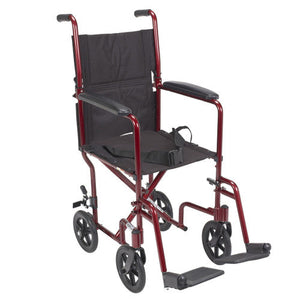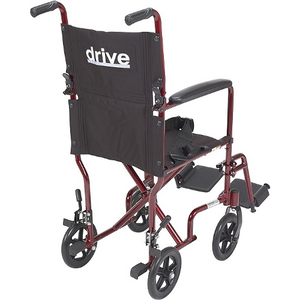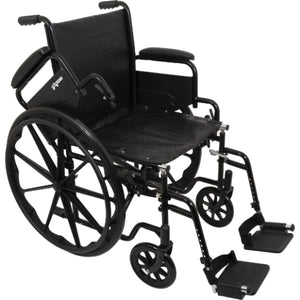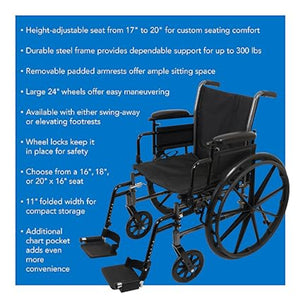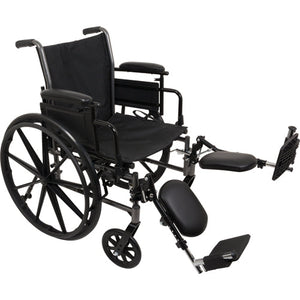

Drive Medical Lynx Ultra Lightweight Wheelchair offers reliable mobility support and helps users experience better comfort and maneuverability. Choosing the right wheelchair involves understanding key factors like seat width, seat depth, overall frame width, and seat height. Proper wheelchair sizing ensures comfort, safety, and ease of movement in daily life.
If you are searching for wheelchair size guide, standard wheelchair dimensions, or how to choose the right wheelchair size, this guide provides clear and practical solutions.
Why Wheelchair Dimensions Matter?
Wheelchair sizing plays a critical role in ensuring proper posture, comfort, and mobility. A poorly fitted wheelchair can lead to discomfort, posture issues, and reduced independence.
Understanding wheelchair measurements helps users and caregivers make better decisions based on body type and home environment.
5 Key Wheelchair Dimensions to Consider
Follow this wheelchair measurement guide to choose the right fit for daily use.
1. Seat Width
The seat width determines overall comfort and ease of movement.
- 16 inch – Small adults
- 18 inch – Average adults
- 20–22 inch – Larger users
Proper seat width prevents pressure and improves posture.
2. Seat Depth
Seat depth supports proper leg positioning and comfort.
- Typically ranges from 16–18 inch
- Supports thigh alignment
- Improves circulation
Correct depth prevents discomfort and enhances support.
3. Overall Width
The overall wheelchair width affects movement through doors and tight spaces.
- Standard width: 24–28 inch
- Compact models: 22 inch or less
- Ideal for indoor mobility
Explore manual wheelchairs designed for different space requirements.
4. Seat Height from Floor
Seat height affects transfers and foot positioning.
- Standard: 18–20 inch
- Hemi height: 16–17 inch
- Supports easy transfers
Choosing the right height improves daily usability.
5. Frame Size & Weight Capacity
Wheelchair frame size determines durability and support.
- Standard capacity: 250–300 lbs
- Bariatric models: Up to 500 lbs
- Wider seats for added comfort
Selecting the right frame ensures safety and stability.
How to Measure a Wheelchair Correctly
Accurate measurements ensure the wheelchair fits both the user and the environment.
- Seat Width: Measure across the seat
- Seat Depth: From backrest to front edge
- Back Height: Seat to top of backrest
- Armrest Height: Seat to armrest
- Overall Width: Include wheels
Correct measurements improve comfort and mobility.
Who Can Benefit?
- Individuals requiring daily mobility support
- Caregivers selecting the right wheelchair size
- Users needing compact wheelchairs
- People looking for comfortable seating solutions
- Explore helpful visual tips
Frequently Asked Questions (FAQs)
1. How do I know what wheelchair size I need?
Measure hip width and add 1–2 inch for comfort, along with seat depth and height.
2. What is the standard wheelchair width?
Standard width ranges between 24–27 inch depending on the model.
3. How do I measure a wheelchair correctly?
Measure seat width, depth, height, and overall frame size.
4. Which wheelchair is best for narrow spaces?
Compact models with narrow frame width are ideal for tight spaces.
5. Are bariatric wheelchairs different?
Yes, they offer higher weight capacity and wider seating options.
Conclusion
Drive Medical Lynx Ultra Lightweight Wheelchair supports comfortable mobility and helps users experience better movement control in daily life.
Drive Medical offers reliable wheelchair solutions designed for comfort, durability, and ease of use.
Explore more mobility products at Moovkart to find the right wheelchair for your needs.