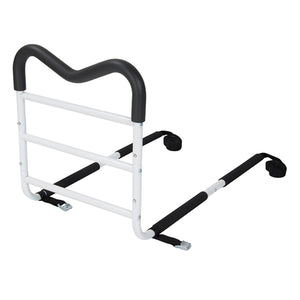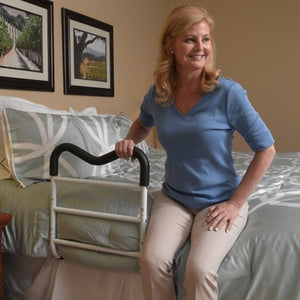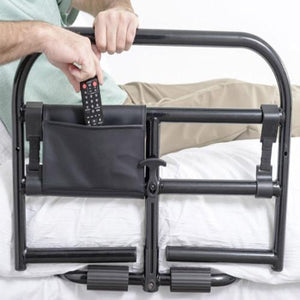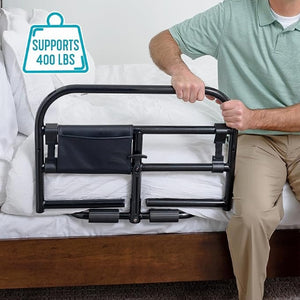

Stander Stable Rail Organizer Pouch offers convenient bedside storage and supports better accessibility for seniors using bedside rails. Broken bed side rails can create safety concerns, especially for seniors, patients in recovery, or individuals with limited mobility. Learning how to fix a broken bed side rail helps improve bed safety, maintain mobility support, and reduce risks during daily use. This guide explains simple bed rail repair tips, common issues, and when to consider adjustable bed rail replacement parts.
If you are searching for DIY bed rail repair for seniors, hospital bed side rail repair, or how to repair a broken bed rail, this guide provides clear and practical solutions.
Why Bed Side Rails Matter?
Bed side rails play an important role in supporting bed mobility and improving user safety. Seniors and patients recovering at home often rely on bed safety rails for stability while repositioning, sitting up, or getting in and out of bed.
A damaged or loose bed rail may reduce stability and increase discomfort during daily use. Regular inspection and timely repairs help maintain safe bedside support.
7 Steps to Fix a Broken Bed Side Rail
Following these simple bed rail repair steps can improve stability and restore better functionality.
1. Assess the Damage Carefully
Inspect the bed rail to identify the issue before starting repairs.
- Check for bent metal tubes
- Inspect loose screws or joints
- Look for damaged locking mechanisms
- Check hinges for rust or wear
Understanding the issue helps determine whether a simple fix or replacement bed rail parts are needed.
2. Remove the Bed Rail Safely
Detach the rail carefully before performing repairs.
- Use a screwdriver or hex key
- Check the manufacturer's guide for hospital beds
- Keep screws and parts organized
Proper disassembly helps simplify the repair process.
3. Tighten or Replace Fasteners
Loose screws and worn hardware are common reasons for unstable rails.
- Tighten loose bolts with tools
- Replace damaged or rusty screws
- Use suitable hardware for stability
Secure fasteners improve bed rail support and overall function.
4. Reinforce Broken Areas
If joints or frame sections are cracked, reinforcement may improve support.
- Use metal brackets for additional support
- Secure damaged sections carefully
- Smooth rough edges for safer handling
Reinforcement helps improve the durability of bedside rails.
5. Test Stability and Alignment
Always test the repaired rail before reinstallation.
- Apply gentle pressure on multiple points
- Check for movement or instability
- Inspect hidden gaps or loose sections
A stable rail improves daily bed safety.
6. Reinstall the Rail Properly
Attach the rail back to the bed frame after repairs.
- Align screws in original mounting points
- Check locking system functionality
- Apply lubricant if needed
Correct installation improves bed rail performance.
7. Know When to Replace the Rail
Some damaged rails may require replacement instead of repair.
- Severely rusted frames
- Warped or unstable rails
- Damaged locking systems
If repairs no longer improve stability, consider replacement bed rails for seniors to support better bedside safety and daily mobility assistance.
Common Signs Your Bed Rail Needs Attention
Recognizing early warning signs helps maintain better bed support safety.
- Loose or shaky bed rail movement
- Difficulty locking the rail securely
- Visible cracks or bending
- Rust or worn-out hardware
- Unstable support during transfers
Who Can Benefit?
- Seniors needing bedside mobility support
- Patients recovering from surgery or injury
- Caregivers managing home patient care
- Individuals looking for DIY bed rail repair tips
- Explore helpful bedside rail safety tips
Frequently Asked Questions (FAQs)
1. Can a broken bed side rail be repaired at home?
Minor issues such as loose screws or damaged fasteners can often be repaired at home using proper tools.
2. When should I replace a bed side rail?
Replace the rail if it has severe damage, rust, instability, or malfunctioning lock systems.
3. How do I improve bed rail stability?
Regular inspection, tightening screws, and replacing worn parts help improve bed rail stability.
Conclusion
Stander Stable Rail Organizer Pouch helps improve bedside organization and accessibility while supporting daily convenience near the bed. Learning how to fix a broken bed side rail helps maintain bed safety, improve mobility support, and support safer everyday use.
Explore Stander products for reliable bed support solutions and accessories designed for daily convenience.
Discover more bedside safety products at Moovkart for improved home care and mobility support.