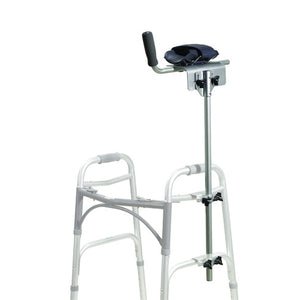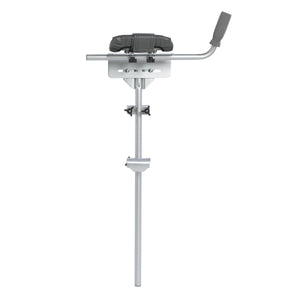

Carex Crutch Tips Extra Large Case of 6 Pair improve crutch stability and walking safety while reducing the risk of slipping and imbalance. Side effects of using crutches are common when they are used incorrectly or without proper support. While crutches are essential for injury recovery, they can lead to arm pain, nerve pressure, and postural issues. This guide explains the most common crutch side effects, their causes, and practical ways to improve comfort and mobility support.
If you are searching for side effects of using crutches or how to use crutches safely, this guide provides clear insights and effective solutions.
Why Do Crutches Cause Side Effects?
Crutches for mobility support shift body weight from the legs to the upper body. This change increases pressure on arms, wrists, and shoulders, leading to discomfort if not used properly.
Incorrect height adjustment, poor posture, and lack of padding can increase the risk of pain, fatigue, and imbalance during daily use.
8 Common Side Effects of Using Crutches
Understanding these crutch-related problems helps improve safety and ensures better recovery support.
1. Arm Pain from Using Crutches
Arm pain is one of the most common side effects of crutches. Continuous pressure on elbows and forearms can cause muscle soreness and strain.
- Occurs due to prolonged pressure on handgrips
- Leads to tendinitis and fatigue
- Common in long-term usage
Using ergonomic crutches with padded grips helps reduce joint stress.
2. Underarm Nerve Compression
Leaning on the underarms can compress nerves and lead to crutch palsy, causing numbness and tingling in hands.
- Caused by incorrect weight distribution
- Affects nerve function in arms
- May lead to temporary weakness
Always support weight using hands and wrists, not underarms.
3. Blisters and Skin Irritation
Skin irritation occurs due to friction between skin and crutch surfaces, especially during extended use.
- Causes blisters and rashes
- Worsens with sweat and heat
- Common without padding
Using crutch pads and breathable materials improves skin protection.
4. Wrist and Hand Strain
Wrist pain develops due to continuous pressure on hands while walking with crutches.
- Leads to joint inflammation
- Increases risk of carpal tunnel issues
- Caused by improper grip position
Maintain a neutral wrist position and use contoured grips for better support.
5. Back and Shoulder Tension
Back pain and shoulder tension occur due to poor posture while using crutches.
- Caused by leaning forward or sideways
- Leads to muscle stiffness
- Affects overall body alignment
Maintain an upright posture and ensure proper crutch height adjustment.
6. Risk of Falling or Tripping
Balance issues increase the risk of falling, especially on uneven or slippery surfaces.
- Common for new users
- Occurs due to improper walking technique
- Increases risk of re-injury
Use anti-slip crutch tips and practice controlled movements.
7. Fatigue and Energy Loss
Walking with crutches requires more energy, leading to fatigue and reduced stamina.
- Common in elderly users
- Increases upper body workload
- Limits long-distance mobility
Take regular breaks and use lightweight crutches for better efficiency.
8. Long-Term Effects of Crutch Use
Extended use without proper technique can lead to postural imbalance and joint misalignment.
- Affects walking pattern
- Causes muscle imbalance
- May delay recovery
Guidance from a professional helps maintain proper mobility alignment.
Who Can Benefit?
- Individuals recovering from fractures or surgery
- Users searching for safe crutch usage tips
- People experiencing crutch pain and discomfort
- Those looking to improve mobility support and balance
- Explore more mobility insights
Frequently Asked Questions (FAQs)
1. What are the side effects of using crutches?
Side effects of crutches include arm pain, wrist strain, nerve compression, and postural issues.
2. Why do crutches cause arm pain?
Arm pain from crutches occurs due to excessive pressure on handgrips and improper weight distribution.
3. How to reduce crutch pain?
Use padded grips, maintain correct posture, and ensure proper crutch adjustment for comfort.
Conclusion
Side effects of using crutches can affect comfort and recovery if ignored. Issues like arm pain, wrist strain, and balance problems are common but manageable with proper techniques and support. The Carex Crutch Tips Extra Large Case of 6 Pair help improve stability and reduce slipping risks during daily use.
Explore reliable mobility support solutions from Carex designed for better comfort and safety.
Discover more mobility products at Moovkart to improve your recovery experience.