
Barrel Spring Nail Clipper 5-1/2 ST-S helps support proper toenail trimming, which plays an important role in preventing and managing ingrown toenails. An ingrown toenail occurs when the edge of the nail grows into the surrounding skin, causing pain, swelling, redness, and sometimes infection. Fortunately, with proper care and preventive measures, many cases can be managed effectively without surgery.
If you are searching for how to fix an ingrown toenail permanently, permanent home remedies for ingrown toenail, or non-surgical treatment for ingrown toenail, this guide explains practical solutions to help reduce discomfort and prevent recurrence.
What Is an Ingrown Toenail and Why Does It Happen?
An ingrown toenail develops when the corner or side of the toenail grows into the soft skin surrounding it.
Common causes include:
- Improper toenail trimming
- Wearing tight-fitting footwear
- Toe injuries or trauma
- Genetic nail shape variations
- Poor foot hygiene
Understanding these causes helps reduce the chances of recurring ingrown toenails.
11 Ways to Fix an Ingrown Toenail Permanently
These proven techniques can help relieve discomfort and support healthier nail growth.
1. Soak Feet in Warm Salt Water
Soak the affected foot in warm water mixed with Epsom salt for 15–20 minutes.
- Softens skin and nail tissue
- Helps reduce swelling
- Promotes comfort during recovery
2. Use Cotton or Dental Floss Under the Nail Edge
Gently place a small piece of clean cotton or waxed dental floss beneath the nail edge.
- Encourages proper nail growth
- Reduces pressure on surrounding skin
- Supports long-term nail alignment
3. Apply Antibiotic Ointment
After soaking, apply a suitable antibacterial ointment and cover with a clean bandage.
- Helps protect the area
- Supports skin recovery
- Reduces infection risk
4. Trim Toenails Properly
Always trim nails straight across rather than rounding the corners.
- Supports healthy nail growth
- Reduces recurrence risk
- Maintains nail structure
5. Wear Wide and Comfortable Footwear
Avoid shoes that place pressure on your toes.
- Reduces irritation
- Improves comfort
- Allows natural healing
6. Use an Ingrown Toenail Corrector Tool
Specialized toenail correctors help guide nail growth away from the skin.
- Supports non-surgical treatment
- Helps improve nail alignment
- May reduce recurring problems
7. Apply Tea Tree Oil or Diluted Apple Cider Vinegar
These natural remedies may help soothe irritated skin around the nail.
- Supports foot hygiene
- Helps reduce discomfort
- Maintains skin cleanliness
8. Keep Feet Clean and Dry
Daily foot care is essential for preventing recurring issues.
- Reduces moisture buildup
- Supports skin health
- Promotes healthy nails
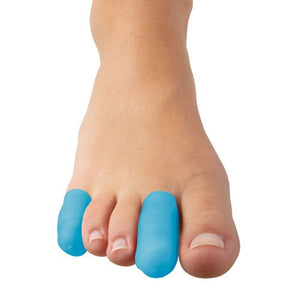
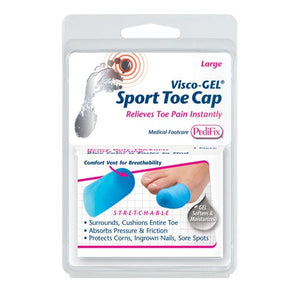
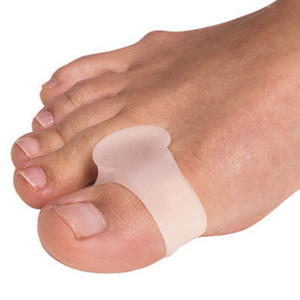
9. Use Toe Separators or Silicone Shields
These accessories help reduce friction between toes.
- Improves toe spacing
- Reduces pressure points
- Supports comfort during walking
10. Seek Professional Non-Surgical Treatment
Persistent cases may benefit from professional podiatric care.
- Addresses recurring issues
- Provides expert evaluation
- Supports long-term foot health
11. Follow Long-Term Prevention Habits
Preventing recurrence is often easier than treating advanced symptoms.
- Trim nails regularly
- Wear properly fitted footwear
- Maintain daily foot hygiene
- Smooth rough nail edges with a file
Related Foot Care Solutions: Daily Living Accessories
Who Can Benefit?
- Individuals experiencing recurring ingrown toenails
- People seeking non-surgical ingrown toenail treatment
- Those looking for permanent home remedies for ingrown toenails
- Individuals focused on better foot care and nail health
- Ingrown Toenail Care Tips
Frequently Asked Questions (FAQs)
1. How do I stop ingrown toenails from coming back?
Trim toenails straight across, wear comfortable footwear, and maintain proper foot hygiene to help reduce recurrence.
2. Can ingrown toenails be treated permanently at home?
Many mild to moderate cases improve with consistent home care, proper nail trimming, and preventive measures.
3. What is the best non-surgical treatment for an ingrown toenail?
Warm soaks, nail lifting techniques, toenail correctors, and professional podiatric treatments are commonly recommended options.
4. When should I see a podiatrist?
If pain, swelling, infection, or recurring ingrown toenails persist despite home treatment, professional evaluation is recommended.
Conclusion
Barrel Spring Nail Clipper 5-1/2 ST-S supports proper nail maintenance, one of the most important steps for preventing recurring ingrown toenails. Combined with proper foot care and nail trimming habits, it can help support healthier nail growth.
Lysmoski offers personal care products that support daily grooming routines and help maintain healthy nails and feet.
Moovkart provides a wide selection of foot care products, personal care solutions, and daily living aids designed to support comfort, wellness, and independence.